
Why We Wait
Maturity cannot be manufactured, and the forest cannot be hurried to meet a sales calendar.
The forest sets the pace. Our role is to observe carefully, respect the season and describe each harvest honestly.
The forest is not adjusted to suit a production schedule. The work begins with attention to weather, flow, maturity, balance and timing.
The aim is not to make every year look the same. It is to understand what changed and to preserve the character of the harvest that actually occurred.
We honour what cannot be rushed.
The central principle behind Bee Charm®.
Maturity cannot be manufactured, and the forest cannot be hurried to meet a sales calendar.
Quantity cannot replace the truth of a season or the character of a specific harvest.
Each harvest deserves its own account, context and evidence rather than a generic claim.
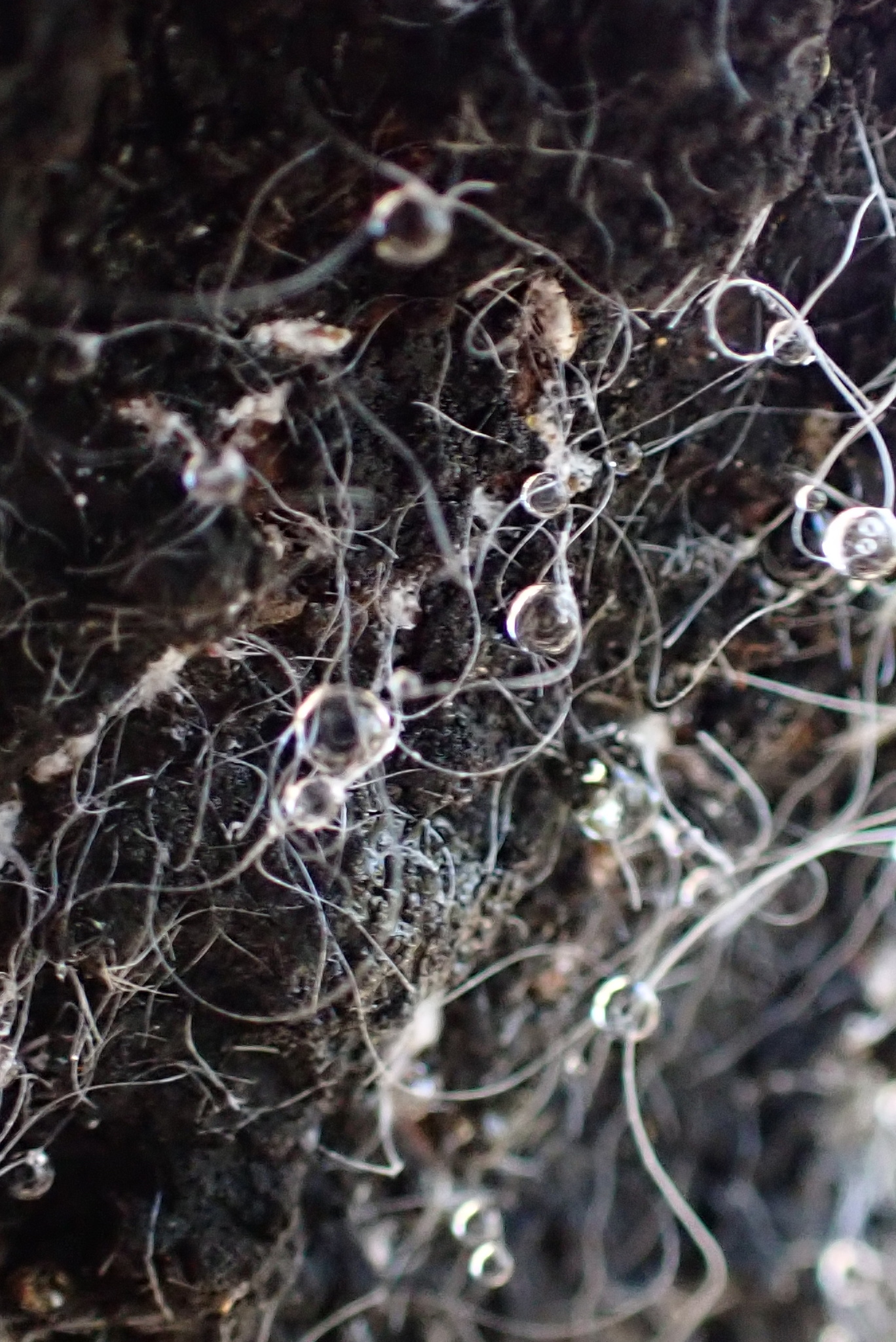
Rainfall, temperature, timing and forest maturity shape what the bees are able to gather. Difference is not a defect; it is the record of the year.
That is why the final harvest page is organised like a vintage archive, with year, conditions, grade, batch number and notes presented together.
BBH® is Bee Charm®’s grading system for recording the natural colour of mature Black Beech Honey.
Every harvest is different, shaped by the forest, the season, the weather, the honeydew flow, and the conditions under which the bees gather and mature the honey.
Each batch is independently tested to help confirm maturity and consistency before grading.
The natural colour of the mature honey is measured using the recognised Pfund colour scale.
The measured colour is recorded as a BBH® grade. Nothing is blended, concentrated or adjusted simply to reach a target number.
As the BBH® number increases, the natural colour of the honey becomes progressively deeper. Each grade records a different natural expression of Black Beech Honey.
Illustrative colour progression — the recorded grade is based on the measured harvest.
A classic expression of Black Beech Honey — balanced, approachable and true to the forest.
A warmer, deeper expression shaped by the character of a mature forest season.
A more distinctive seasonal expression, selected for greater depth and character.
A naturally rarer harvest, appearing only when forest and seasonal conditions align.
The rarest expression in the collection, with the deepest natural colour of the harvest.
Higher BBH® grades occur less frequently because naturally deeper-coloured harvests are rarer.
A higher number does not mean that one harvest is universally “better” than another. Each grade records a different natural expression of Black Beech Honey.
Every number has a story.We do not mix harvests simply to create a target BBH® number.
The honey is not concentrated to manufacture a higher grade.
The recorded colour must belong naturally to the honey itself.
Some seasons may offer more BBH 70+. Others may naturally produce BBH 80+ or BBH 86+. BBH 100+ and BBH 115+ appear far less often.
When those rare harvests appear, we do not try to reproduce them. We identify them, record them, and preserve what that season gave us.